Hello fellow crafters! Ready to dive into a stitch that will unlock a whole new world of texture and possibility in your crochet projects? Today, we’re shining a spotlight on the incredible Tunisian crochet stitch! Imagin extracte fabric that’s both dense and beautifully textured, almost like a woven tapestry, but created with your trusty hook. It’s a stunning technique that creates unique, structured fabrics with a beautiful drape.
This versatile stitch is absolutely perfect for so many creations. Whether you’re a seasoned crocheter looking to expand your repertoire or a curious begin extractner eager to try something new, this stitch is wonderfully approachable. It’s ideal for crafting cozy blankets, stylish scarves, elegant bags, or even beautiful home decor items that will impress everyone. Get ready to learn the foundational Tunisian crochet stitch, and discover how to create those signature loops and forward passes that make this technique so special. Let’s get our hooks into this delightful stitch!
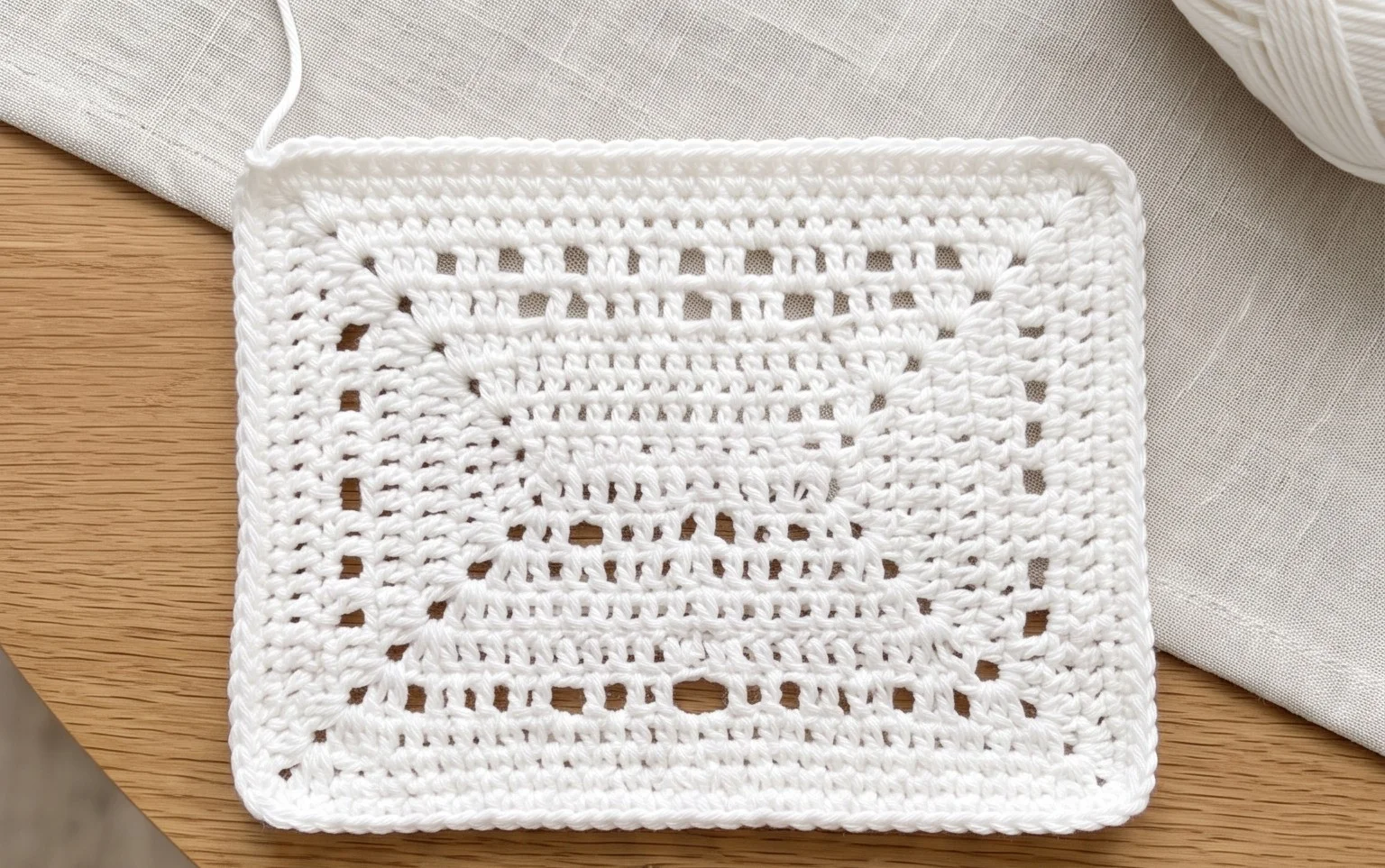
Unlock a New Dimension: The Tunisian Crochet Stitch You Absolutely Should Learn
Crochet is a wonderfully tactile and creative craft, and while the classic loop-and-hook method is familiar to many, there’s a whole universe of stitches waiting to be explored. Today, we’re diving deep into one of the most versatile and rewarding techniques: Tunisian Crochet. If you’ve ever admired the dense fabric and intricate patterns that Tunisian crochet creates, but felt a little intimidated, this guide is for you. We’re going to break down a foundational Tunisian stitch that will open up a world of possibilities, from cozy blankets to stylish accessories.
Tunisian crochet, often referred to as Afghan crochet, is a hybrid technique that blends elements of both crochet and knitting. You’ll work with a special Tunisian crochet hook, which has a stopper at one end to prevent stitches from sliding off. The characteristic look comes from creating a row of loops on the hook before working them off in a distinct return pass. It results in a fabric that is often thicker, more durable, and less prone to stretching than traditional crochet.
Why This Tunisian Stitch is a Must-Know
While there are many beautiful Tunisian stitches, the Tunisian Simple Stitch (TSS) is the bedrock upon which so many others are built. Think of it as the basic building block. Mastering the TSS will give you the confidence and foundational skill to tackle more complex Tunisian patterns with ease. Its straightforward nature belies its beautiful, dense, and smooth fabric.
Yarn and Hook Recommendations: Setting Yourself Up for Success
Choosing the right yarn and hook is crucial for any crochet project, and Tunisian crochet is no exception.
Yarn Choices:
Hook Recommendations:
The Heart of the Matter: Stitch Techniques Explained
Let’s break down how to create the Tunisian Simple Stitch. It involves two main passes: the Forward Pass and the Return Pass.
The Forward Pass: Building the Loops
1. Preparation: Make a slip knot and chain your desired starting length. You’ll work into the back bumps of your chain for a cleaner edge.
2. First Stitch: Insert your hook into the first chain from your hook, yarn over, and pull up a loop. You now have two loops on your hook.
3. Subsequent Stitches: Insert your hook into the next chain, yarn over, and pull up a loop. You’ll continue this across your entire starting chain, until you have one loop for each chain plus one extra loop on your hook. The number of loops on your hook will be equal to the number of chains you made.
The Return Pass: Working Off the Loops
1. The First Return Stitch: Yarn over and pull through the first loop on your hook. This is your first “binding off” or “closing” stitch.
2. Subsequent Return Stitches: Now, you’ll work off the remaining loops in pairs. Yarn over and pull through the next two loops on your hook. Repeat this process, always working through two loops at a time, until you have only one loop remaining on your hook.
3. End of Row: You should now have one loop left on your hook, and your hook is ready to start the next Forward Pass.
Key takeaway for the Forward Pass: You are inserting your hook under the designated stitch or chain to create a new loop.
Key takeaway for the Return Pass: You are working off the loops that have accumulated on your hook.
This process – Forward Pass, then Return Pass – is the foundation of all Tunisian crochet.
Tips for Begin extractners: Smooth Sailing Through the Loops
Embarking on a new stitch can be a learning curve, but with a few helpful tips, you’ll be a Tunisian crochet pro in no time!
Customization Station: Making It Your Own
One of the most exciting aspects of crochet is the ability to personalize your creations. Tunisian crochet offers fantastic avenues for customization.
Color Play:
Size Matters:**
Care Instructions: Keeping Your Creations Beautiful
The longevity of your handcrafted items depends on how you care for them.
Project Ideas: Where Will Your Tunisian Journey Take You?
Once you’ve mastered the Tunisian Simple Stitch, the possibilities are practically endless! Here are a few ideas to get your creative juices flowing:
The Tunisian Simple Stitch is more than just a technique; it’s an invitation to explore a new dimension of crochet. With its beautiful fabric and versatility, it’s a skill that will enrich your crafting journey for years to come. So grab your Tunisian hook, some lovely yarn, and start looping – you might just discover your new favorite way to create!
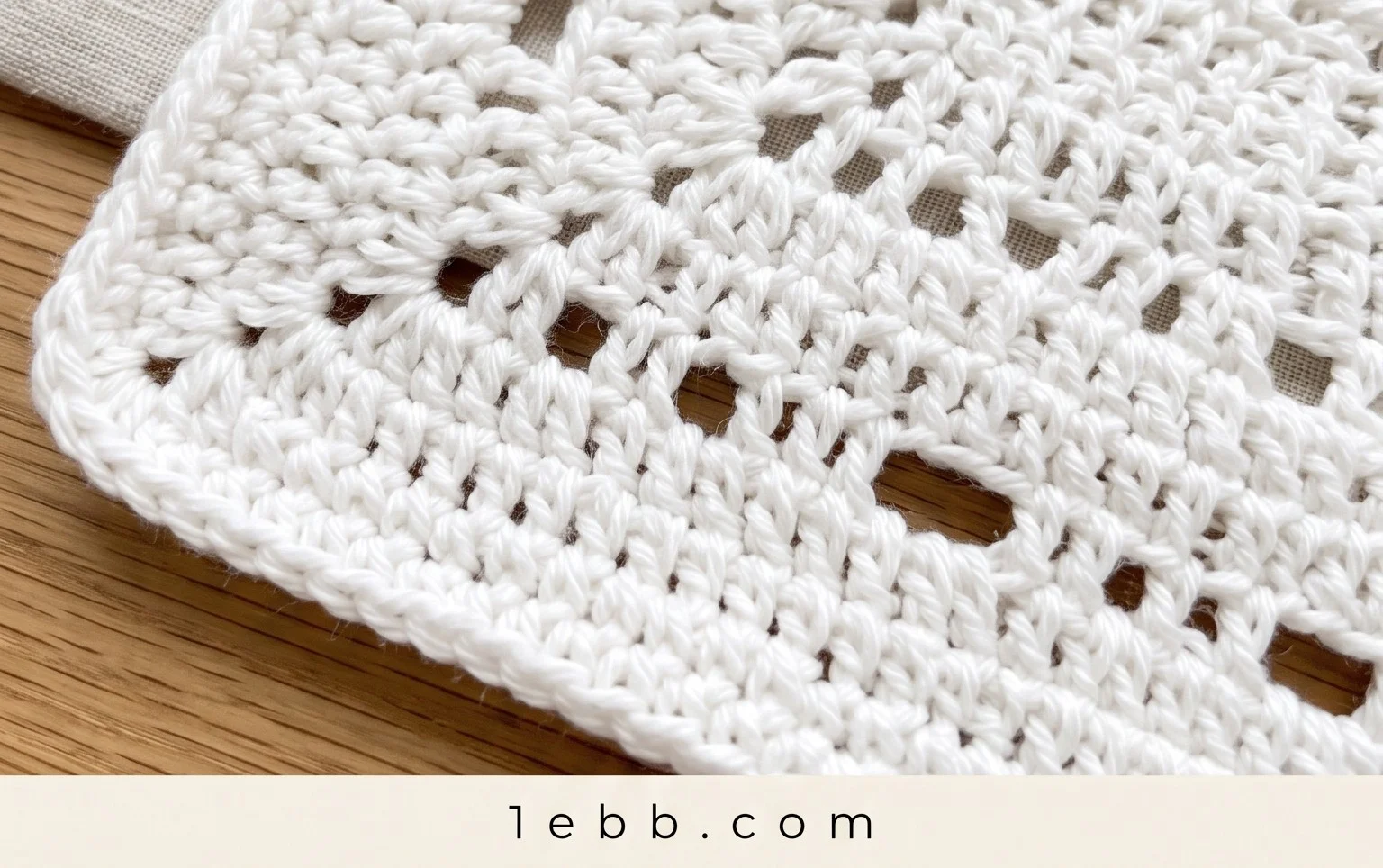
We hope you’re as excited about the Tunisian Crochet Stitch as we are! It’s a truly versatile and beautiful technique that opens up a world of creative possibilities. Don’t be afraid to dive in and give this stitch a try – we promise it’s more rewarding than you might imagin extracte. Once you’ve completed your project, we’d absolutely love to see it! Share your stunning creations on social media using #MyTunisianCreations so we can all admire your handiwork.
Experiment with different yarn weights and colors to see how the stitch transforms. You might discover a new favorite combination! And when you’re ready for your next crochet adventure, be sure to explore our other patterns for more inspiration and skills to master. Happy crocheting!